Bold Moves and Big Ideas: Takeaways from Arc XP Connect NYC
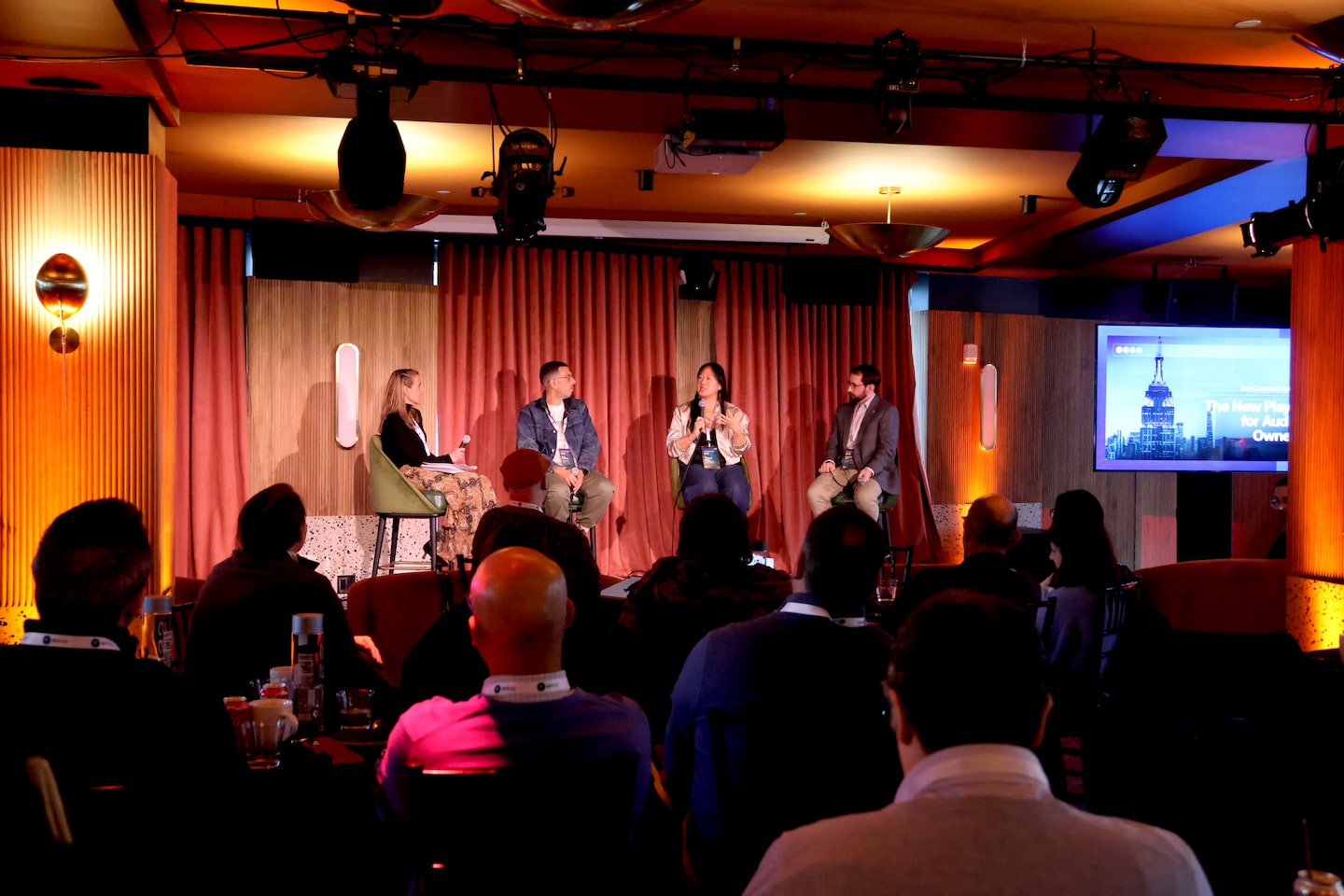
A few weeks ago, Arc XP hosted Connect NYC, bringing together leaders across media to share unflinching takes on the future of journalism, AI, audience engagement, and monetization. The common thread? Publishers must be bold, experimental, and fiercely audience-first, or risk being left behind.
AI as a Creative Partner, Not a Threat
Joe Croney, Arc XP’s CTO, kicked off the conversation with a frank acknowledgment of the tension AI brings: “There’s a subtext… we haven’t figured out whether AI is our friend or our foe as we go forward.” He illustrated the personal stakes with a story about his son asking, “Dad, I’m not going to have a job. Why am I learning to code?” His answer was simple: lean in. “Be the best student using these AI tools,” Croney urged.
The session made it clear that AI isn’t about replacing journalists, it’s about augmenting creativity and streamlining workflows. Arc XP’s AI Editor and Intelligence Platform keep humans in the loop while elevating storytelling. Croney emphasized that AI can drive deeper audience engagement, whether through hyperpersonalized experiences or smarter moderation. “We need to get that audience to be back engaging with the story directly on platform. That’s how we own our audience,” he said.
Data Ownership as a Local News Superpower
Biswajit Ganguly, CTO of The Baltimore Banner, made a bold case for local publishers reclaiming control from big tech. With declining organic search and social traffic, plus AI bots generating non-converting visits, he stressed the importance of first-party data. “The future depends on owning the reader relationship by getting the data… moving from intuition to insight,” he said.
The Banner’s approach? Unifying data from subscriptions, analytics, and content performance into a centralized lake. AI-driven insights revealed that a small segment of content could drive outsized conversion, while personalized push notifications increased engagement by up to 12%. Ganguly’s vision positions data not as a backend tool but as a foundation for building local intelligence platforms that serve both readers and editorial teams.
Protect, Personalize, Monetize
Fatih Yildiz and Matt Kim from Arc XP stressed the urgent need for publishers to regain control in the AI era. Bot traffic is surging, and traditional defenses are ineffective. Solutions range from edge computing to licensing arrangements with AI providers. But the real opportunity lies in personalization: summaries, translations, alternative formats, and curated experiences that turn casual readers into loyal subscribers.
Matt Kim framed it as a “personalization value cycle,” where engagement drives insights, which fuel monetization. Examples ranged from Ground News’ curated feeds to Spotify Wrapped-style content sharing. “We don’t want you guys just to play defense… we want you to use AI to drive personalized experiences… build direct lasting relationships with your readers and unlock new revenue opportunities,” he said.
AI in the Real World
Arc XP’s Joey Marburger and Graham Media’s Michael Newman cut through the hype, focusing on practical AI applications in broadcast news. AI accelerates script-to-article workflows, surfaces story ideas from audience feedback, and supports sales with rapid market research. Success hinges on experimentation and adoption, not just technology: “The best metric we have today is the adoption curve… are people using it in a way that is actually generating outcomes?”
They also emphasized foundational systems, vector databases, video infrastructure, and integrated AI models, as key to delivering personalized, future-proof experiences. In short, AI only works when it’s seamlessly integrated and focused on the audience.
Apps as Engagement Engines
A panel on mobile strategies made one point loud and clear: apps are no longer secondary channels. Ariscielle Novicio (New York Post), James Cooney (Condé Nast), and Kathy Colafemina (Boston Globe) highlighted apps as critical tools for retention, loyalty, and monetization. From in-app games to premium content tiers, apps offer publishers one-to-one relationships with their most engaged audiences. The message: invest in apps, experiment with formats, and measure engagement closely.
Audience Ownership and Trust
Finally, conversations about audience strategy were unapologetically bold. Panelists reframed ownership as co-creation: building community and fostering loyalty rather than hoarding readers. Amy Choi of Mash-Up Americans said, “I don’t believe in audience ownership. I believe… that they also participate in the work.” Craig Elimeliah of Code and Theory added, “When we think about owning the audience, we’re thinking about co-creation.” Trust and credibility emerged as the ultimate currency, especially as AI mediates more interactions.
The Washington Post’s Playbook
To close out the day, Vineet Khosla and Anjali Iyer of the Washington Post shared how a disciplined, audience-first approach drives both innovation and revenue. Personalized journeys, flexible subscriptions, and microtransactions are transforming how readers engage. Bold moves, like abandoning the one-size-fits-all broadcast model, exemplify the Post’s commitment to following the audience rather than replicating the past. “One article for 100 million people doesn’t work. Broadcast system is dead,” Khosla declared.
Takeaways
Across sessions, the message was consistent: AI, data, and mobile strategies are powerful, but only when paired with human creativity, editorial integrity, and relentless focus on the audience. Publishers who experiment, own their relationships, and leverage technology wisely are the ones who will thrive. The media landscape is changing fast, and Connect NYC made one thing clear: waiting is not an option.
Recent resources